The Science Behind Non-Alcoholic Spirits: How ANON Drinks Are Made
Non-alcoholic spirits have moved far beyond simple alternatives to traditional alcoholic drinks. Today, they are carefully developed beverages designed to offer complexity, balance and a more sophisticated drinking experience — without relying on alcohol for their character.
But how are they actually made?
The answer is more complex than simply removing alcohol from a conventional spirit. The science behind non-alcoholic drinks involves flavour extraction, botanical formulation, blending, filtration and careful control of sweetness, acidity and aroma. Depending on the product, manufacturers may use techniques associated with distillation, maceration, extraction or fermentation.
For curious consumers, understanding this process helps explain why one non-alcoholic drink can taste fresh and botanical while another offers bitter, spicy, smoky or citrus-led flavours. For the drinks industry, it also highlights the technical challenges involved in creating sophisticated products without alcohol.
ANON Drinks is part of this evolving category, creating non-alcoholic alternatives designed to bring familiar flavour profiles and cocktail experiences to the glass. So, what happens behind the scenes?
What Are Non-Alcoholic Spirits?
The term “non-alcoholic spirit” can describe several different types of products. Unlike traditional spirits, which are typically distilled alcoholic beverages, non-alcoholic alternatives may be created using a variety of production methods.
Some are made by distilling botanicals and then removing the alcohol. Others are produced without alcohol from the beginning, using combinations of botanical extracts, natural flavours, herbs, spices and other ingredients.
ANON Drinks explains that non-alcoholic spirits can include distilled botanicals that have been filtered to remove alcohol, as well as macerated and extracted flavours and botanicals made without alcohol. The resulting products generally contain less than 0.5% ABV, although the exact alcohol content can vary between products and definitions.
This is an important distinction because there is no single production method for every alcohol-free spirit. The method chosen depends on the flavour profile the producer wants to achieve.
A citrus-forward aperitif, for example, may require a very different approach from a drink designed to replicate the warming character of spiced rum.
The Role of Botanicals in Flavour Development
Botanicals are at the heart of many non-alcoholic drinks.
The term can include a wide range of natural ingredients, including:
- Herbs
- Spices
- Flowers
- Roots
- Seeds
- Fruit
- Citrus peel
- Berries
- Leaves
These ingredients contain naturally occurring compounds responsible for aroma and flavour. Juniper can contribute pine-like and resinous notes. Citrus peel may provide bright, fresh aromas. Spices can introduce warmth, while bitter roots and herbs can add depth.
In traditional alcoholic spirits, ethanol is highly effective at extracting many flavour compounds from botanical ingredients. This is one reason why creating a complex non-alcoholic alternative can be technically challenging.
Without alcohol, producers must carefully consider how different flavours are extracted, combined and stabilised.
This is where formulation becomes particularly important. Rather than relying on one ingredient to create a complete flavour profile, producers may combine several extracts and flavour components to build layers of taste.
For consumers, this means that the flavour of a non-alcoholic spirit is often the result of a carefully constructed recipe rather than a single botanical.
What Is Non-Alcoholic Spirits Distillation?
Non-alcoholic spirits distillation can refer to several different approaches, depending on the product and production method.
One approach involves distilling botanical ingredients to capture their aromatic compounds. In some products, alcohol may then be removed using additional processing techniques.
Another approach is to create a spirit-style drink without using alcohol as the main extraction medium. This may involve carefully selected extracts, flavours and botanicals that are blended to create the desired profile.
The objective is not necessarily to recreate every chemical characteristic of an alcoholic spirit. Instead, producers aim to reproduce the sensory experience that makes a drink enjoyable.
That can include:
- Aroma
- Bitterness
- Sweetness
- Acidity
- Spice
- Mouthfeel
- Length of flavour
- Balance
This is why the science of non-alcoholic spirits is not simply about “taking the alcohol out”. Alcohol affects the way flavour compounds are extracted, carried and experienced. Removing it means producers must consider how to create a balanced drink through other means.
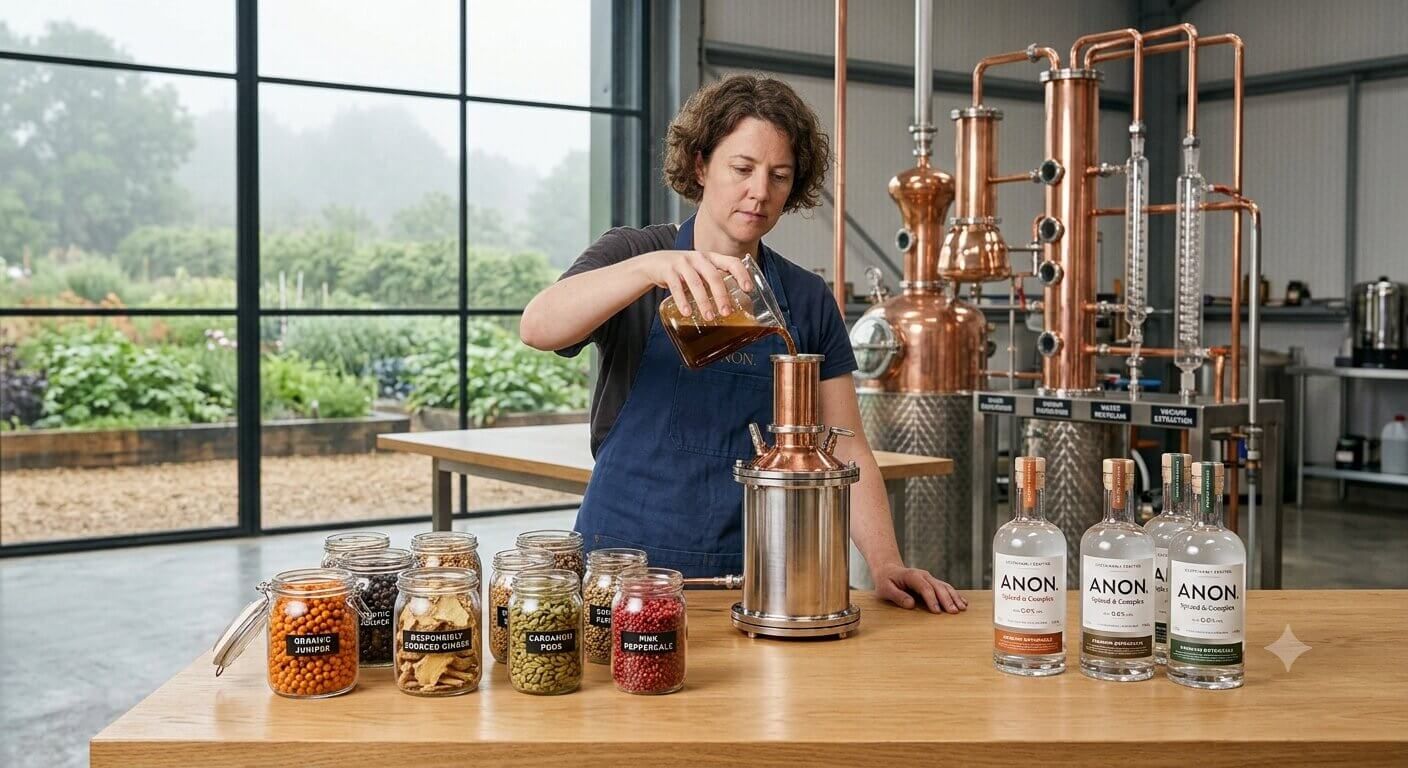
How ANON Drinks Develop Their Flavours
According to ANON Drinks, product development begins with extensive recipe development. Multiple versions are tasted and adjusted before the final formulation is selected.
The finished liquid is then blended with the other ingredients at the distillery before undergoing sterile filtration. It is subsequently bottled, labelled and packed.
This process highlights an important point about modern alcohol-free spirits: production is not simply a matter of mixing ingredients together.
Flavour development can involve repeated adjustments to the balance between sweetness, acidity, bitterness and aroma. A small change in the level of one ingredient can significantly affect the final drinking experience.
For example, an aperitif-style drink may need enough bitterness to prevent the sweetness from becoming overwhelming. A spiced spirit-style drink may require several layers of warming flavour to create a more rounded profile.
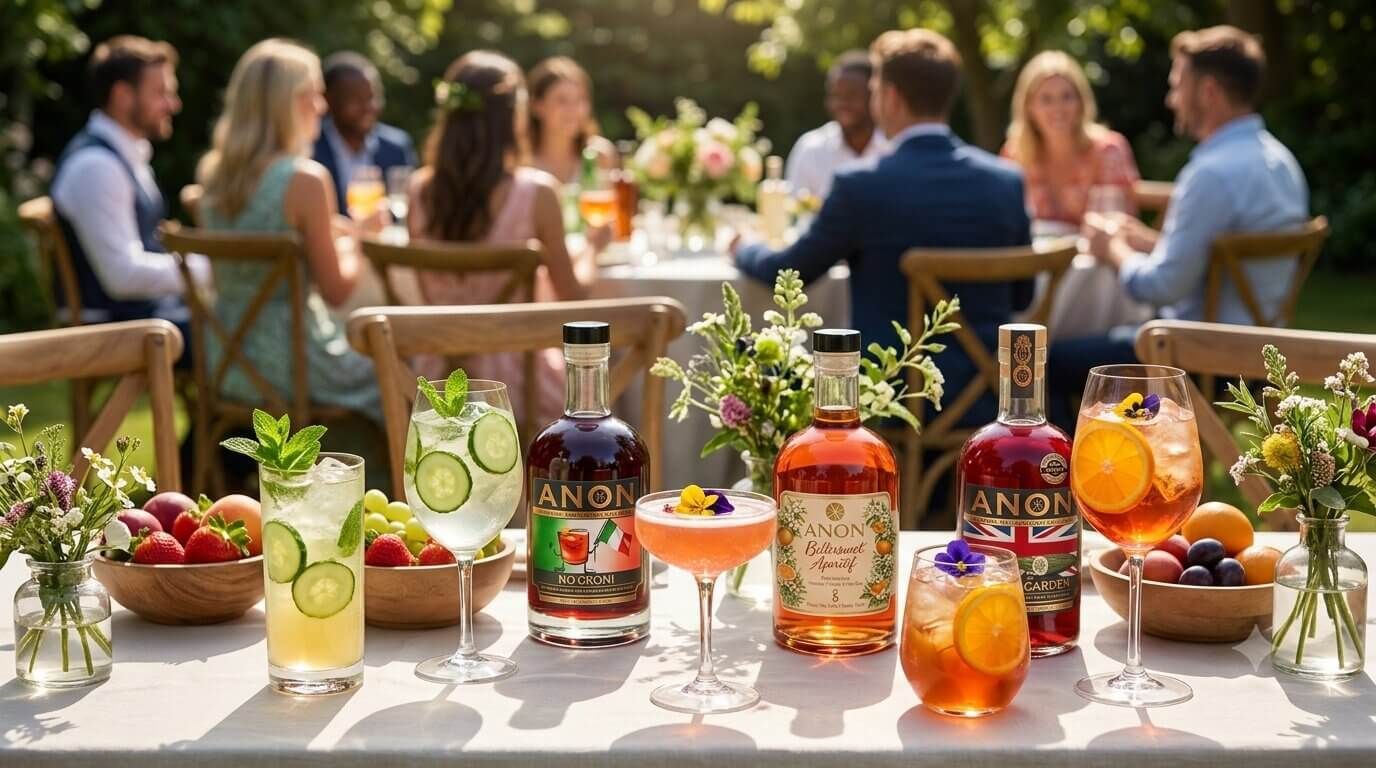
ANON Spiced Cane, for example, uses a combination of flavours and botanicals designed to create warming notes associated with cinnamon, lemon, vanilla and ginger. ANON No Groni uses flavour combinations that include bitter orange, juniper and aromatic herbs to create a more complex, bitter aperitif-style profile.
The Importance of Extraction
Extraction is one of the key scientific processes behind flavour development.
When a botanical is extracted, the aim is to transfer desirable flavour and aroma compounds from the raw ingredient into a liquid medium. Different compounds behave differently, meaning that the choice of extraction method can influence the final result.
Temperature, time, pressure and the liquid used can all affect extraction.
Some ingredients may provide bright, volatile aromas, while others contribute deeper, more persistent flavours. A successful recipe needs to bring these different characteristics together without allowing one component to dominate.
For non-alcoholic products, this can be particularly challenging because alcohol is an effective solvent for many flavour compounds. Producers therefore need to develop alternative ways to create depth and complexity.
This is one reason why a high-quality alcohol-free spirit is often the result of extensive testing and formulation rather than a simple substitution of water for alcohol.
What Does Fermentation Have to Do With Alcohol-Free Drinks?
The fermentation process is another important area of beverage science, although it is not used in exactly the same way for every non-alcoholic spirit.
Fermentation occurs when microorganisms, such as yeast or bacteria, convert sugars into other compounds. In alcoholic drinks, yeast converts sugar into ethanol and carbon dioxide.
This process is central to the production of beverages such as beer, wine and cider.
For alcohol-free products, producers may take different approaches. Some beverages are fermented and then undergo processes designed to reduce or remove alcohol. Others are created without fermentation and instead rely on extraction, blending and flavour formulation.
This distinction is important because not every non-alcoholic spirit has gone through an alcoholic fermentation process.
For a product such as ANON Drinks, the publicly described production process focuses on developing and blending flavours and other ingredients, followed by sterile filtration. Therefore, it is more accurate to discuss fermentation as one possible technique within the wider alcohol-free drinks industry rather than assume that it is part of every ANON product's production process.
Why Sterile Filtration Matters
Once a beverage has been formulated and blended, stability and safety become important considerations.
ANON Drinks describes the use of sterile filtration as part of its production process. This filtration method is designed to remove microorganisms from the liquid before bottling.
The process can help support product stability while allowing the drink to retain as much of its original flavour profile as possible. ANON also states that its drinks are not pasteurised, helping preserve the flavour characteristics developed during formulation.
From a production perspective, filtration is an important step because the final product needs to be consistent, stable and suitable for storage.
For consumers, the result is a drink that has gone through a carefully controlled process before reaching the bottle.
Creating Complexity Without Alcohol
One of the biggest challenges in alcohol free spirits production is creating complexity without relying on alcohol.
Alcohol contributes more than intoxication. It can affect:
- How aromas are released
- How flavours are carried across the palate
- The sensation of warmth
- Mouthfeel
- Perceived intensity
When alcohol is absent, producers need to build a satisfying drinking experience through other elements.
Bitterness can add structure. Acidity can create freshness. Sweetness can soften sharper flavours. Botanical extracts can introduce aroma and depth. Spices can create warmth, while carbonation can add energy and lift.
This balance is particularly important when a non-alcoholic spirit is designed to be mixed.
A drink that tastes good when consumed neat may behave differently when combined with tonic water, soda, fruit juice or other ingredients.
That is why product development often involves testing a drink in multiple formats.
The Role of Botanicals in Mocktails
The growing popularity of botanicals in mocktails has changed how people think about alcohol-free drinks.
A mocktail does not have to be a simple combination of fruit juice and fizzy water. Botanical ingredients can introduce the same type of complexity often associated with classic cocktails.
A non-alcoholic spirit can provide a base layer, while other ingredients add contrast.
For example:
- Citrus can provide brightness.
- Herbs can introduce freshness.
- Spices can create warmth.
- Bitter ingredients can add depth.
- Tonic water can provide bitterness and carbonation.
- Fresh fruit can add sweetness and acidity.
ANON Drinks products are designed to be used in different ways, including as standalone drinks, mixers and bases for mocktails. Its Bittersweet Aperitif, for example, is designed for spritzes and Negroni-style serves, while other products can be mixed with soft drinks or used in more creative alcohol-free cocktails.
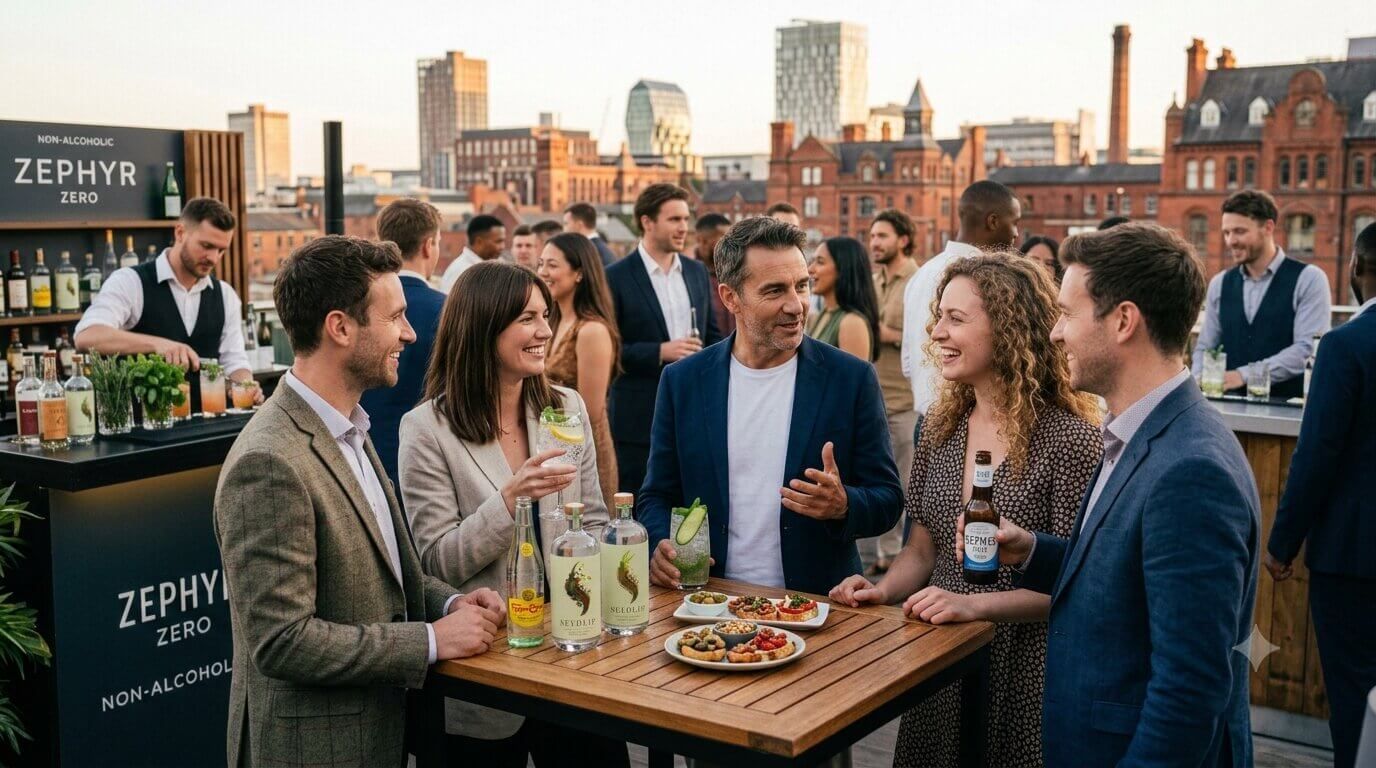
This versatility is one of the reasons non-alcoholic spirits have become increasingly interesting to both consumers and the hospitality industry.
From Laboratory Thinking to the Glass
Although the production of non-alcoholic spirits involves science, the final product is still judged by the senses.
A drink can have a technically impressive production process but still fail if the flavour is unbalanced.
This is why tasting and recipe development are so important.
Product developers need to consider questions such as:
- Does the aroma appear immediately?
- Is the first taste too sweet?
- Does the bitterness provide structure?
- Does the flavour continue across the palate?
- Does the drink work with ice?
- Does it perform well in a mocktail?
- Does it complement mixers rather than overpower them?
This sensory evaluation is combined with production controls and ingredient knowledge to create a consistent product.
In the case of ANON Drinks, the development process involves tasting and refining multiple versions before the final recipe is selected.
What the Future Holds for Non-Alcoholic Drinks
The non-alcoholic drinks industry continues to develop rapidly.
As consumers become more interested in reducing alcohol without giving up flavour, producers are experimenting with new ingredients, extraction methods and production technologies.
The future may bring even more sophisticated approaches to flavour creation, including advanced botanical extraction, improved distillation techniques and new ways of reproducing the texture and sensory experience traditionally associated with alcoholic drinks.
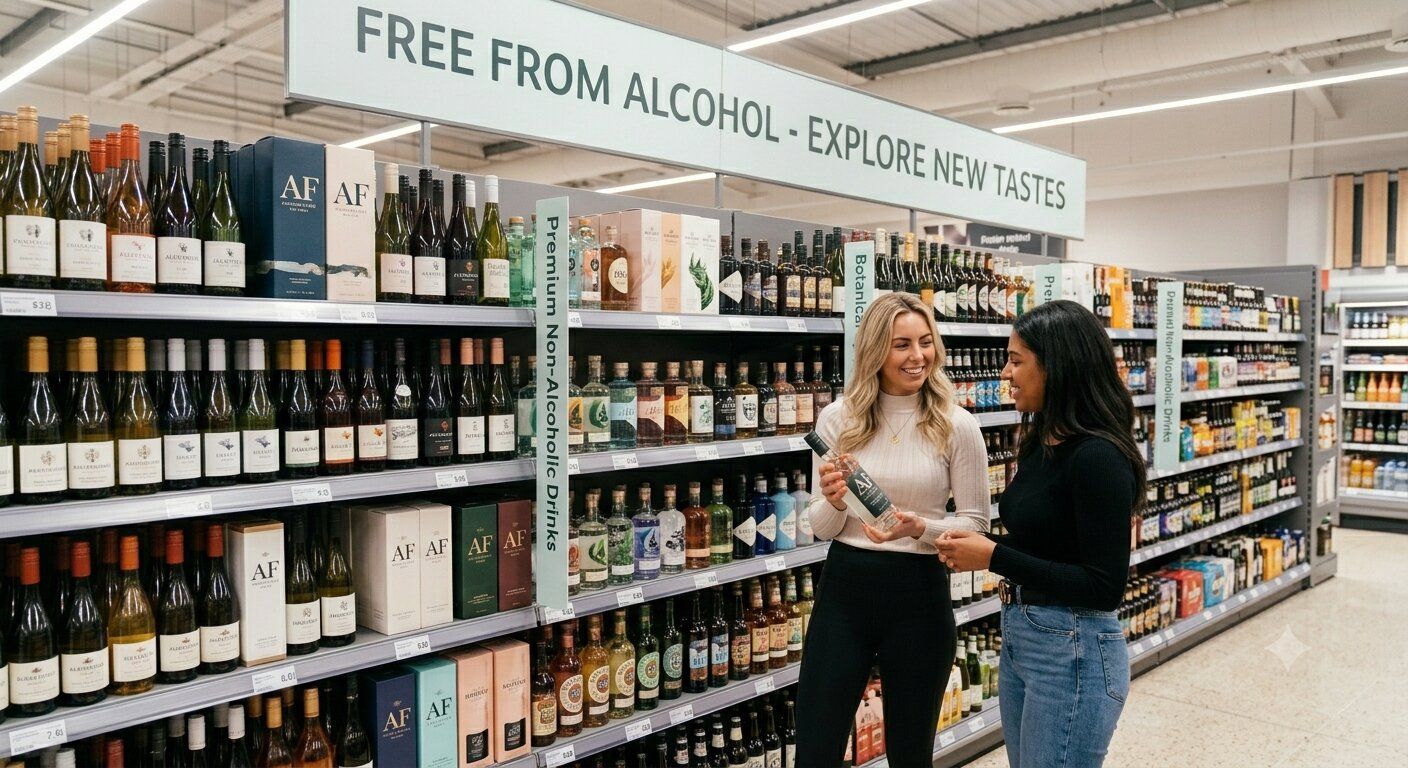
For the industry, this creates opportunities across retail, hospitality and foodservice.
For consumers, it means there is now a wider range of drinks designed for different occasions — from a simple evening serve to an elaborate mocktail.
The category is also becoming more educated. People increasingly want to understand not only what is in their drinks but also how they are made.
Final Thoughts
The science behind non-alcoholic spirits is a combination of flavour chemistry, botanical knowledge, formulation and careful production control.
Non-alcoholic spirits distillation is just one part of a much broader landscape. Depending on the product, producers may use distillation, extraction, maceration, fermentation or carefully developed alcohol-free blending techniques.
For ANON Drinks, the process involves extensive recipe development, flavour refinement, blending and sterile filtration. The goal is to create complex drinks that offer more than a basic substitute for alcohol.
As the category continues to evolve, the most successful alcohol-free drinks are likely to be those that focus on flavour first.
Whether you are a curious consumer exploring alcohol-free options or a drinks industry professional following the development of the sector, one thing is clear: creating a sophisticated non-alcoholic drink is a carefully considered process.
The next time you enjoy a botanical mocktail or an alcohol-free spirit-style serve, there may be far more science behind the glass than you realise.